


Which is more suitable for materials research and development: a box furnace or a tube furnace?
2024-06-28


Which is more suitable for materials research and development: a box furnace or a tube furnace?
Both box furnaces and tube furnaces have their own application scenarios and advantages in materials research and development; the choice between them depends on the specific R&D requirements.
Box furnaces have a relatively large heating area and are typically used for heating large-scale workpieces such as steel plates and for quenching, making them well suited for mass production applications—including preheating in the steel and metallurgical industries and plate heating in the shipbuilding industry. This type of
The furnace has a relatively simple structure, high reliability, and is easy to maintain. However, box furnaces may provide non-uniform heating and have limited versatility, typically capable of heating only a single material at a time.
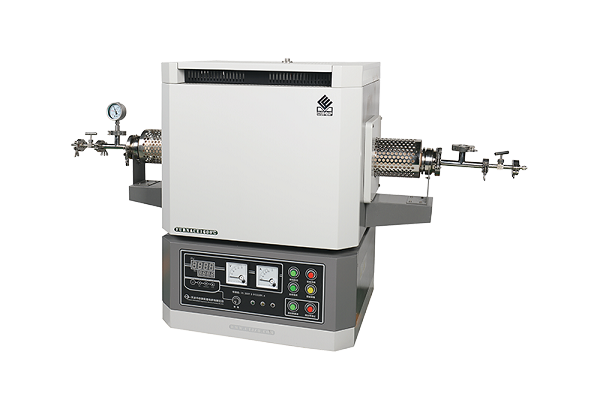
Tube furnaces are more suitable for heating small components, such as baking paint and curing processes. They are commonly used in laboratories, the medical field, and the electronics industry—for example, for heating test tubes and drying pharmaceuticals. The advantages of tube furnaces lie in their ability to…
It provides uniform heating, boasts strong adaptability, and can simultaneously heat multiple materials. The operating principle involves placing a quartz or corundum furnace tube inside the furnace chamber for heating, with workpieces positioned in the heating zone and the constant-temperature zone. This design enables
Sealed flanges can be used at both ends of a tube furnace to enable preliminary vacuum pumping and the introduction of various protective, oxidizing, and reducing gases. However, a drawback of tube furnaces is their tendency to cause blockage of the tubes, necessitating
Regular cleaning and maintenance are required.
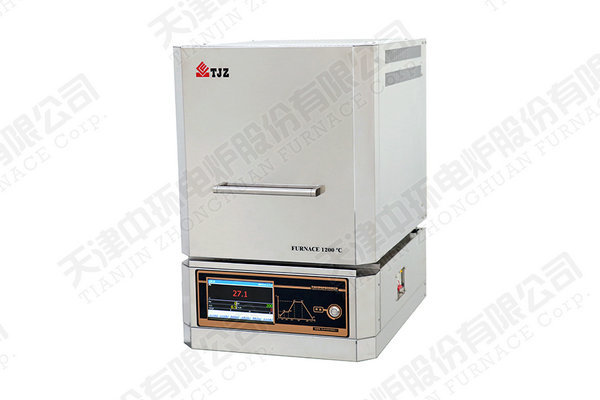
In materials research and development, box furnaces are more suitable when studying large workpieces or situations requiring mass production. In contrast, when working with small samples or needing precise control under specific atmospheres,
For such experiments, a tube furnace may be more suitable.
In general, the choice between a box furnace and a tube furnace for materials research and development should be based on a comprehensive assessment of specific experimental requirements, the size and properties of the materials to be heated, as well as the desired heating environment and atmosphere.
Contact Information
Address: No. 11 Shuangchuan Road, Tianjin Beichen Science and Technology Park
Muffle Furnace Series
Tube Furnace Series
Drying Oven Series


WeChat Official Account
Customer Service QR Code